
Wigan Athletic
The Latics
Next Match - League One
Wigan Athletic Heritage Archive (What We Plan to Build)
Below is a proof-of-concept preview showing what we aim to build for Wigan Athletic, documenting industrial origins, lost terraces, matchday walks, DIY fanzines, unsung backroom figures, and filmed supporter oral histories.
Because broadcast-grade supporter filming and museum-standard memorabilia digitisation carry significant production costs, we cannot film all 22 clubs at once. We are launching Phase 1 with a strictly limited cohort of 4 to 6 Founding Partner Clubs, before expanding to 8 clubs in Phase 2 and the final 8 clubs in Phase 3. All text, quotes, and media below are illustrative proof-of-concept examples showing what we will build for Wigan Athletic.
How We Will Build the Wigan Athletic Chronicle
This interactive prototype demonstrates how we plan to present Wigan Athletic’s era-by-era history, spotlight figures, and defining milestones. Due to the cost of producing filmed supporter interviews and archival digitisation, we will roll out full Club Chronicles in structured phases, beginning with an initial cohort of Phase 1 partner clubs before expanding across all 22 North West teams. Use the arrows or era tabs below to preview the planned format.
Origins, Early League Entry & Working-Class Roots
Wigan Athletic was formed in 1932 as Wigan Athletic FC. Formed in 1932 following the collapse of Wigan Borough. After 34 failed election attempts, Wigan were finally elected to the Football League in 1978, later rising through all four divisions to win the FA Cup in 2013. Through mass community backing and local industrial roots, the club quickly established itself as a foundational pillar of North West sporting heritage.
Leading figures and local workers who established Wigan Athletic in 1932, helping lay the roots of Lancashire football culture.
Defining Milestones of this Era (4 Key Moments)
Formed as Wigan Athletic FC by local community members.
Competed in historic regional Lancashire and Cheshire county cup ties.
Established permanent residency at Springfield.
Cemented status as the sporting heartbeat of the local town.
Planned Wigan Athletic Supporter Oral History Tapes (Concept Preview)
Illustrative prototype cards showing how we will film, catalogue, and present eyewitness recollections, away day stories, and authentic terrace memories with lifelong Wigan Athletic supporters when Wigan Athletic's phase is commissioned.
Industrial & Community Roots
Formed in 1932 following the collapse of Wigan Borough. After 34 failed election attempts, Wigan were finally elected to the Football League in 1978, later rising through all four divisions to win the FA Cup in 2013.
Colloquial Lancashire contraction of 'Athletic'.
Stadium & Lost Terraces
Springfield Park was Wigan's non-league shrine for 67 years with its famous grass banking, before Dave Whelan built the modern DW Stadium (now The Brick Community Stadium) in 1999.
The famous grass hill at Springfield Park where thousands stood on mud banks, surrounded by a speedway track.
Defining Folklore Moments
Ben Watson rose in the 91st minute to head home Shaun Maloney's corner, defeating Manchester City 1-0 at Wembley in one of the greatest FA Cup final upsets in history.
Defeated Reading 3-1 on the final day of the Championship to reach the top tier just 27 years after leaving non-league football.
DIY Fanzine Revolution (1970s–90s)
Mudhuts fanzine was born on the muddy terraces of Springfield Park, celebrating the humour and struggles of Wigan supporters.
The Historic Matchday Walk
Historically down Springfield Road to Springfield Park; now along the Leeds and Liverpool Canal to Robin Park.
Unsung Backroom Legends
Groundstaff and volunteers who hand-cleared snow and tended the famous mud grass banking at Springfield Park through four decades of non-league struggle.
“From standing on the mud bank at Springfield Park to Ben Watson rising at Wembley in 2013, Wigan Athletic is proof that working-class ambition can achieve anything.”
"I Was There" • Planned Supporter Memoirs & Oral History (Sample Format)
“When Ben Watson headed that ball into the top corner, my son and I just stared at each other in total disbelief. From non-league mud to FA Cup winners at Wembley.”
Club Details
🏟️ Stadium & Pitch
Stadium: DW Stadium
Pitch Size: 114 × 74 yd
Surface: grass
👕 Team Strips
Home: Blue and white stripes
Away: Black with red
Third: White with blue
📞 Contact Info
Main Phone: 01942 311111
Ticket Office: 01942 311111
Team Podcasts
Ranked by number of YouTube subscribers


Interactive Matchday Map(all services within 3 miles)
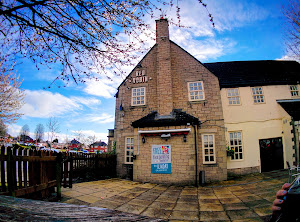
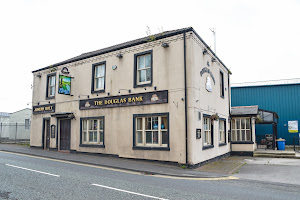
Closest Food to DW Stadium
No food venues listed yet for Wigan Athletic.
Top Scorers
All Competitions • 25/26 Season